Get a customized quote for your requirements
Training tools and equipment for electrician trade.
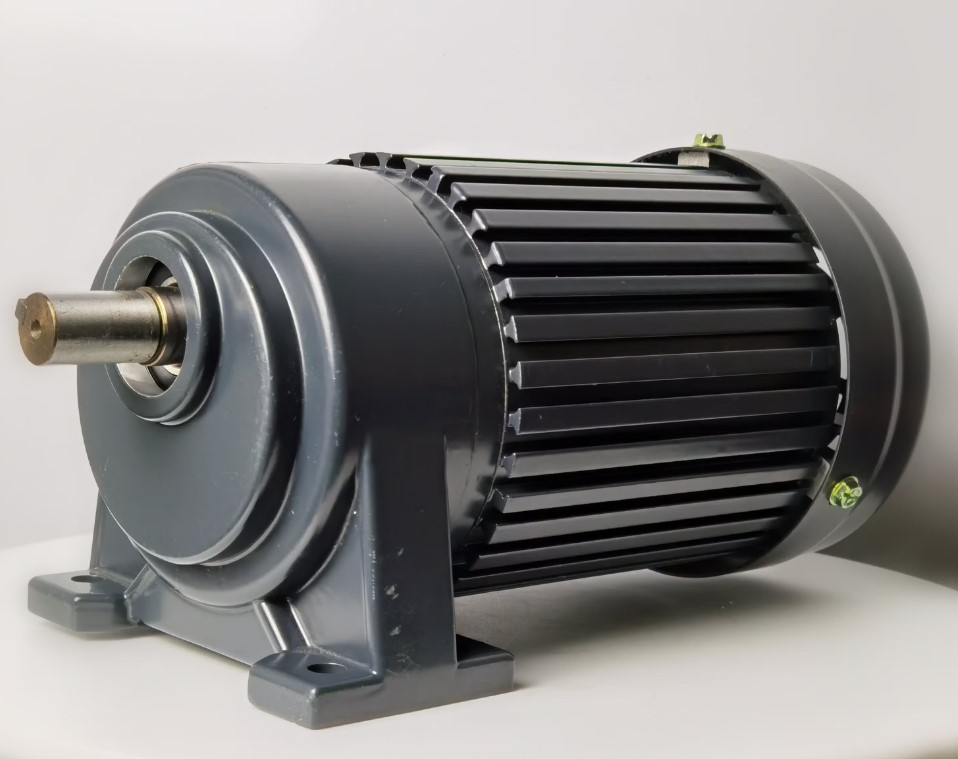
A fully functional AC series motor model used to demonstrate alternating current operation, torque production, and real-world applications in industrial and domestic devices. It helps students understand the principles of AC .
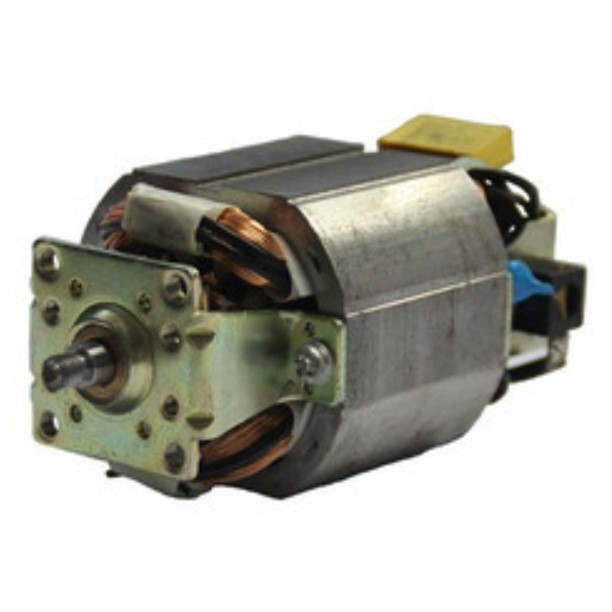
A versatile motor that operates on both AC and DC supply, designed for studying speed control, torque, and applications in household appliances and industrial equipment. Students can explore practical uses and characteristics.
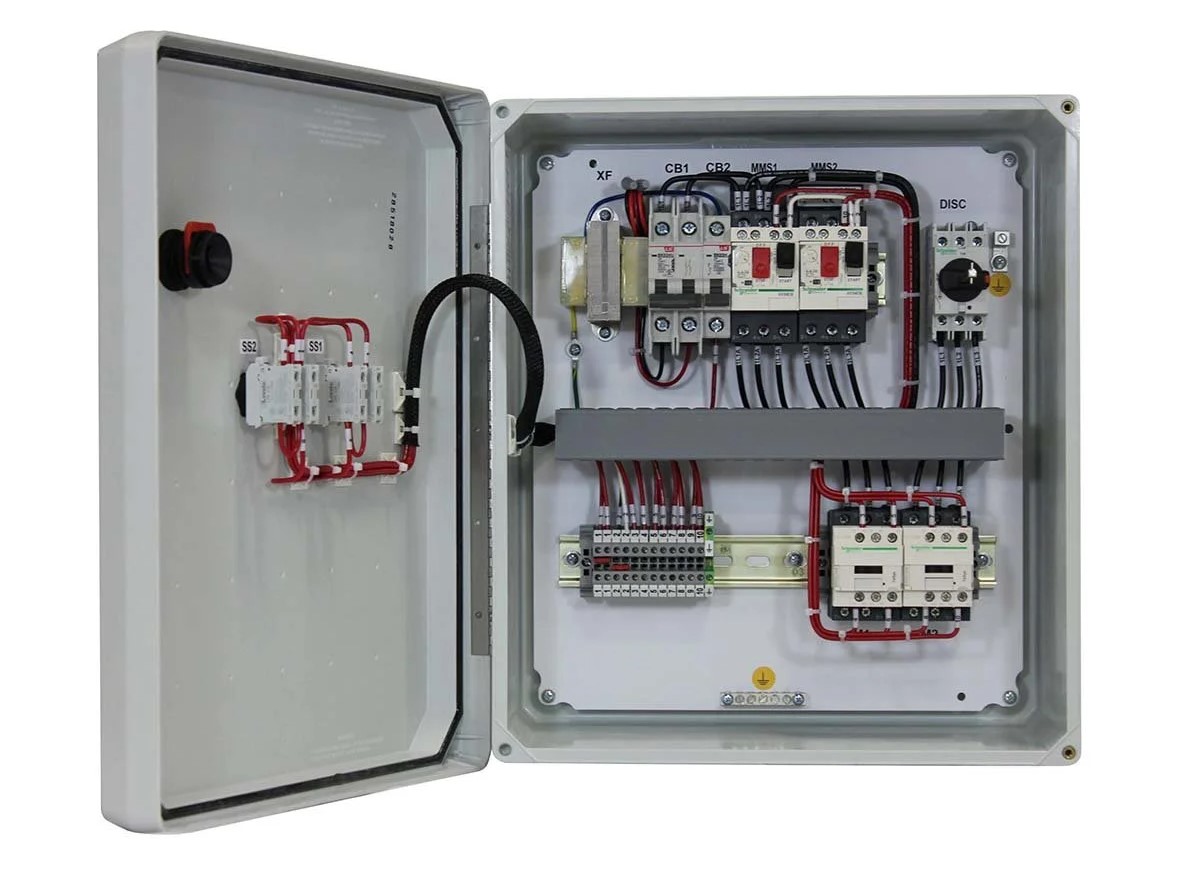
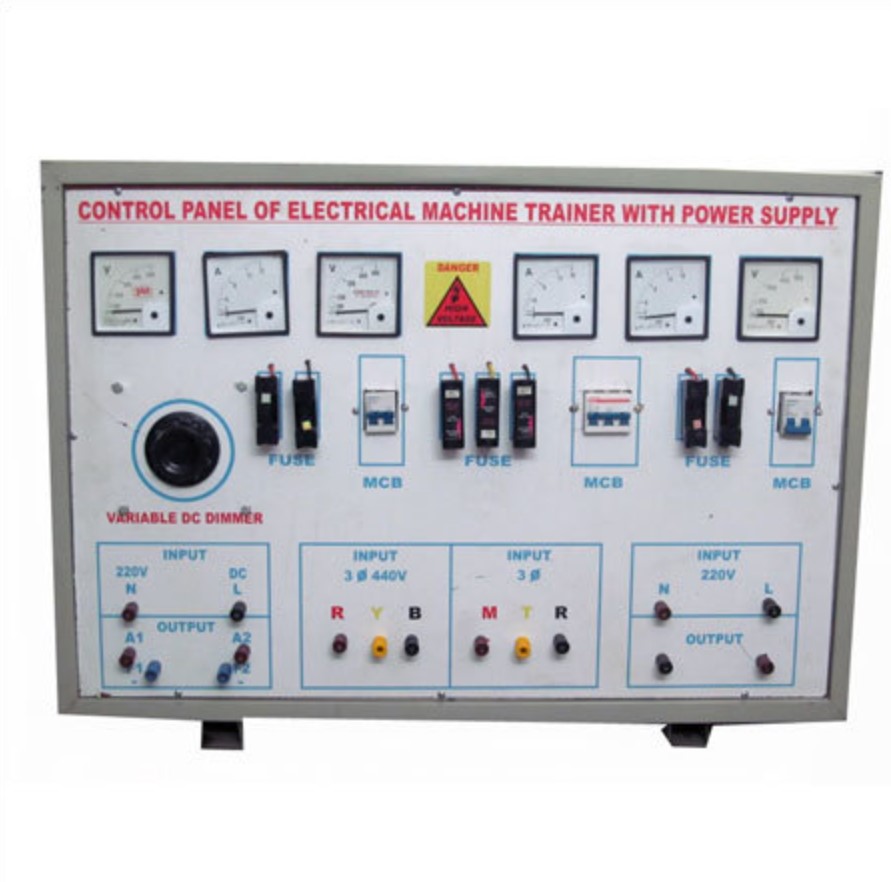
A complete training system featuring AC, DC, and universal motors with integrated electrical panels. It allows students to safely study motor operation, speed control, torque characteristics, and power conversion.
A compound-wound DC generator combining series and shunt windings. This model allows students to study voltage regulation, load response, and applications in industrial power systems.
A series-wound DC generator that demonstrates the effect of load current on voltage and efficiency. Useful for understanding generator behavior in different operating conditions.
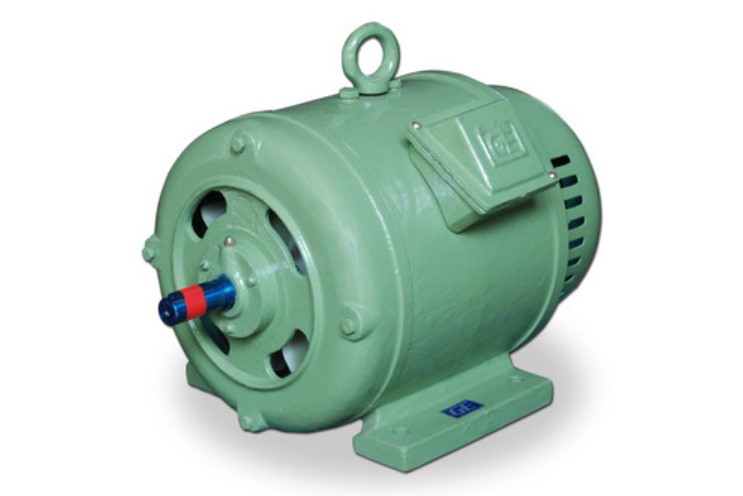
A DC generator with shunt field winding to study voltage generation, excitation methods, and performance under varying loads. Essential for learning electrical power generation concepts.
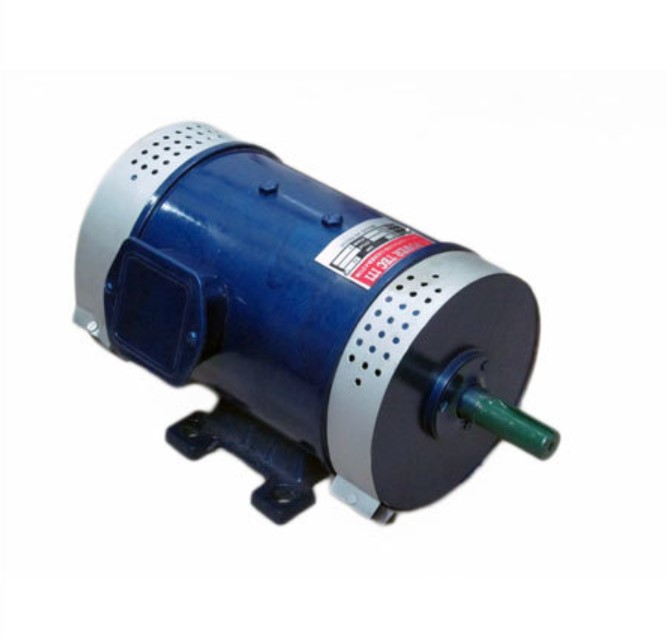
Operational DC motor models showing series and compound winding configurations. These kits allow students to study speed-torque characteristics, load behavior, and industrial applications of DC motors.
Hands-on trainers covering a variety of electrical machines including AC and DC motors, generators, and synchronous machines. Ideal for performance testing and practical learning in labs.
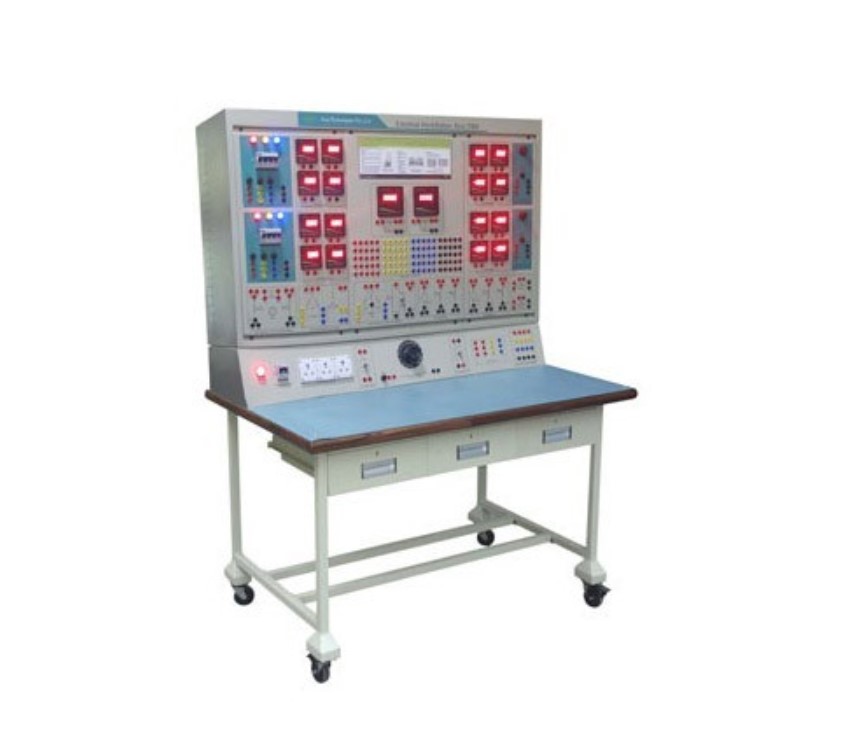
A fully equipped workstation for experimenting with electrical circuits, machines, and measurement devices. Provides a safe and organized platform for students to perform hands-on exercises.
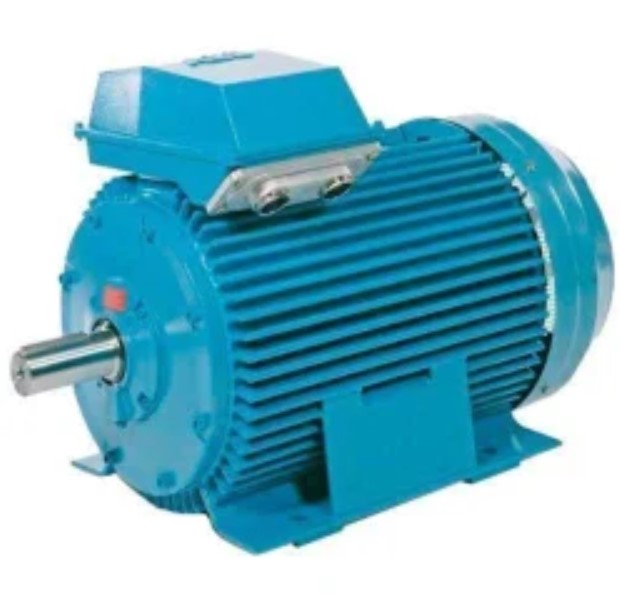
Training models for AC induction and synchronous motors, used to demonstrate operating principles, slip, synchronous speed, and industrial applications. Ideal for hands-on learning in electrical laboratories.
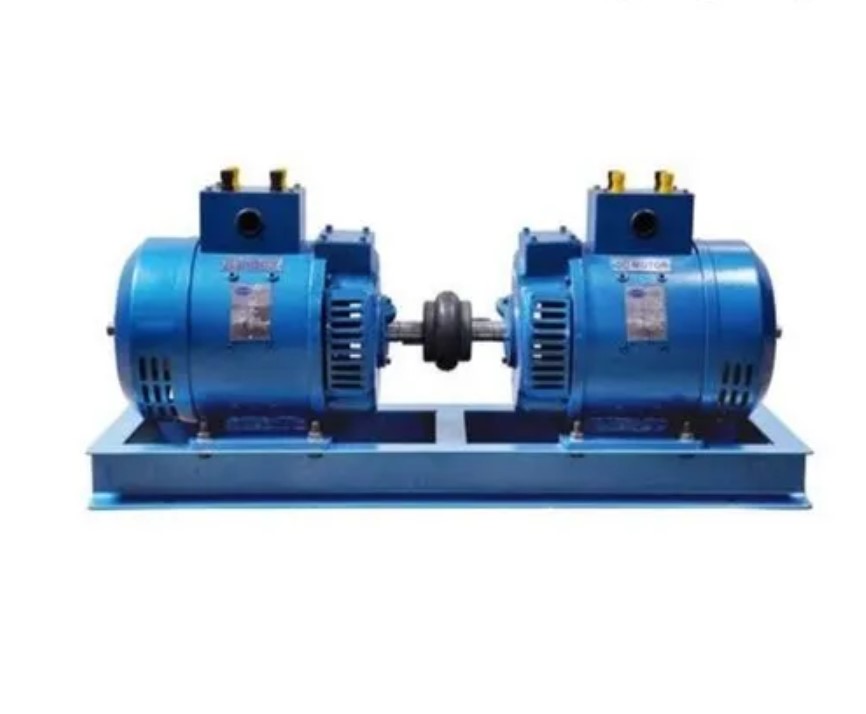
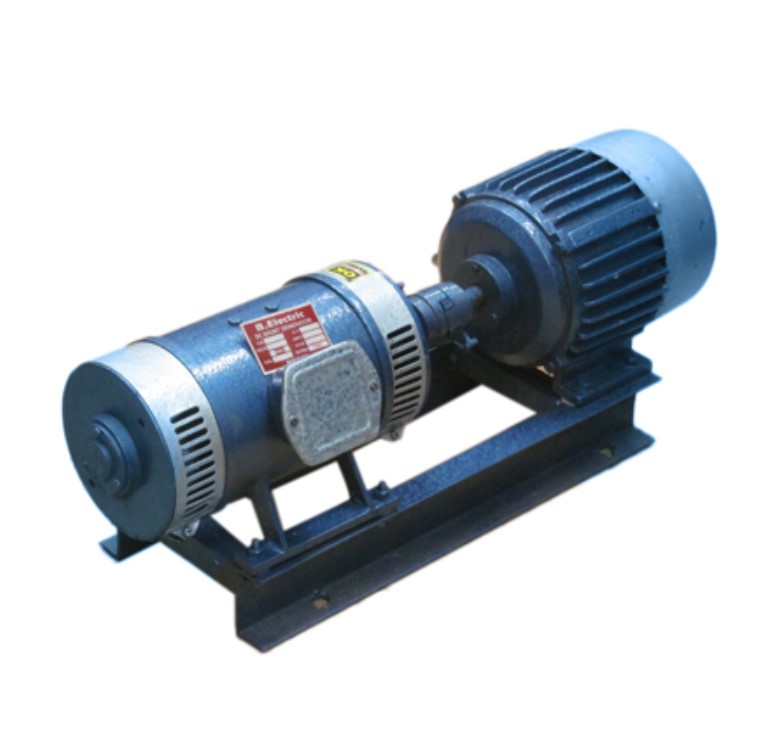
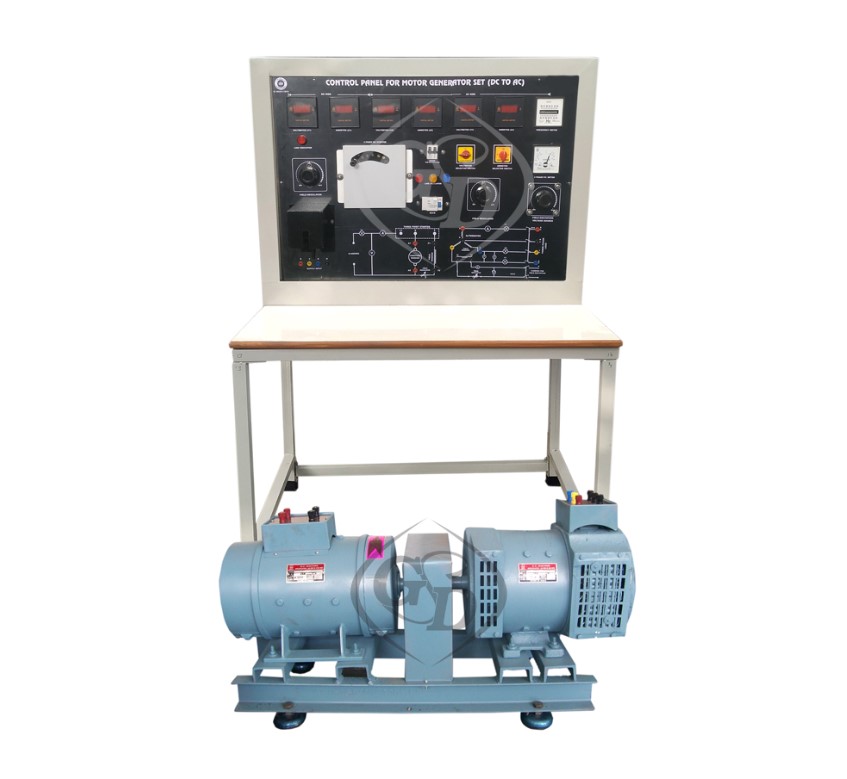
A complete setup for converting DC to AC and AC to DC using motors and generators. It provides practical insights into power conversion, efficiency, and the operation of electrical machines.
A dedicated system to test and calibrate over-current relays. Students can simulate fault conditions and understand the operation of protective devices in power systems.
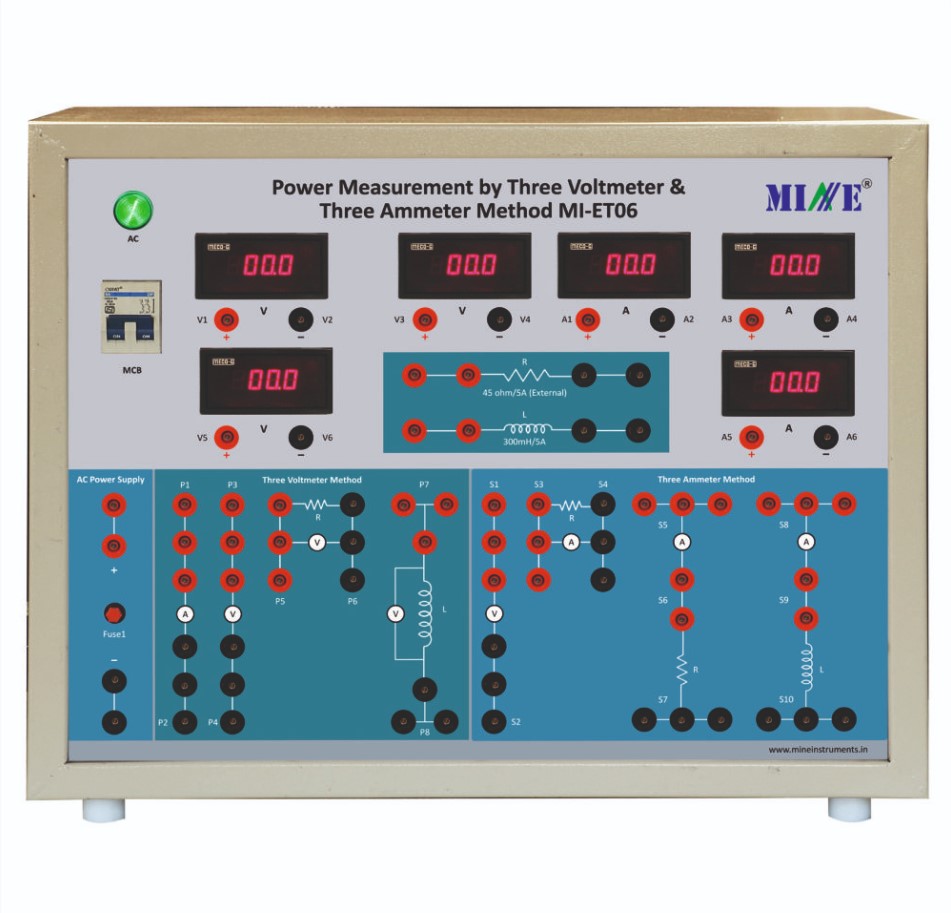
A trainer setup for measuring power in AC circuits using three voltmeters and three ammeters. It teaches students accurate power calculation in both balanced and unbalanced loads.
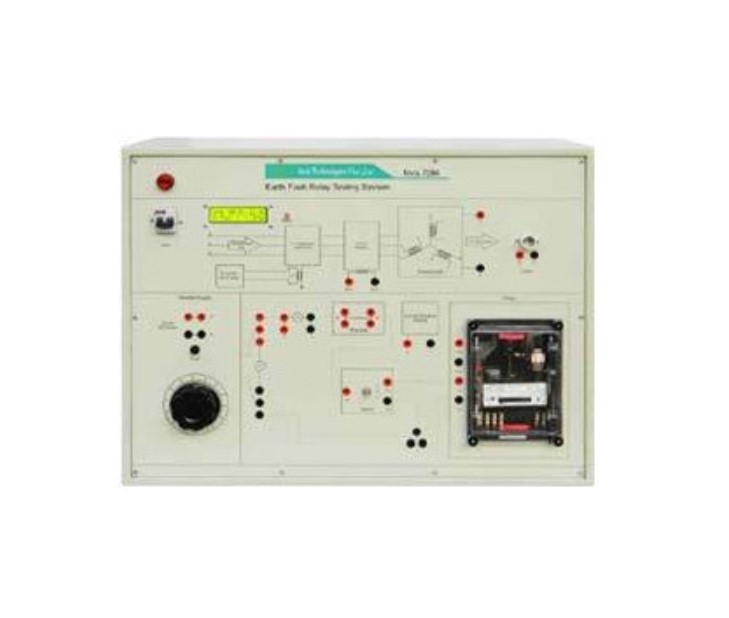
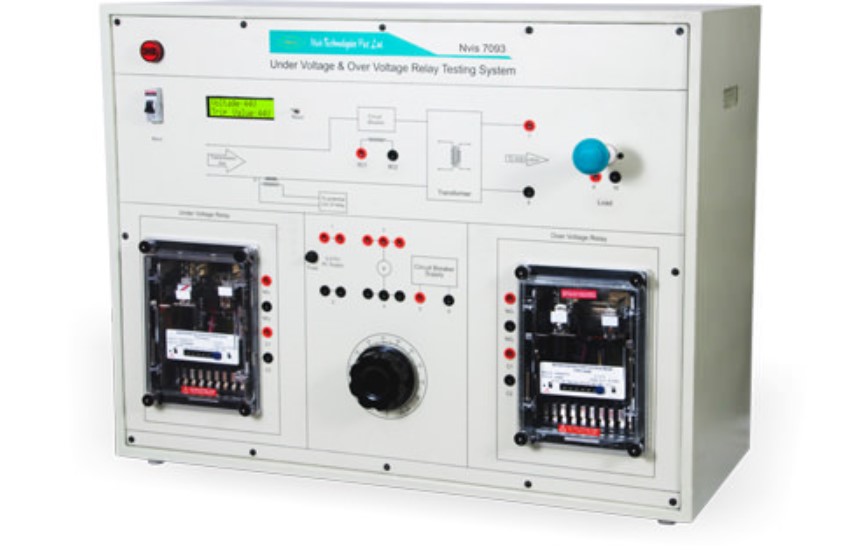
A hands-on setup to test, calibrate, and study the operation of different types of electrical protection relays. Students can simulate faults and observe relay responses for learning power system protection.
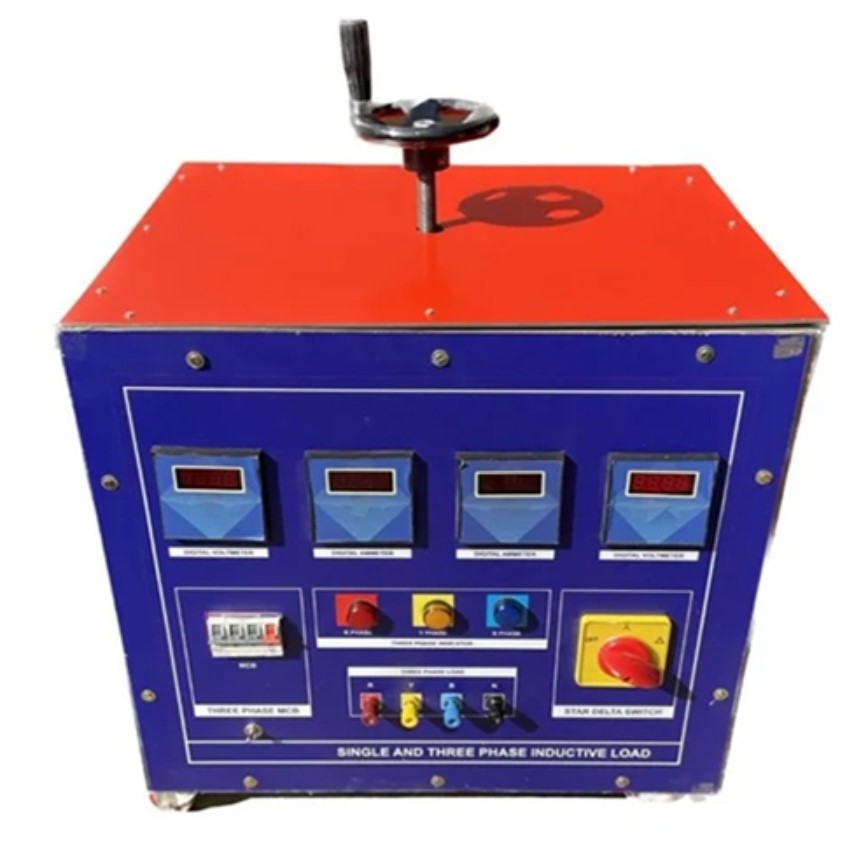
Models for studying the behavior of single-phase and three-phase inductive loads, including current, voltage, and power factor analysis. Useful for industrial and educational labs.
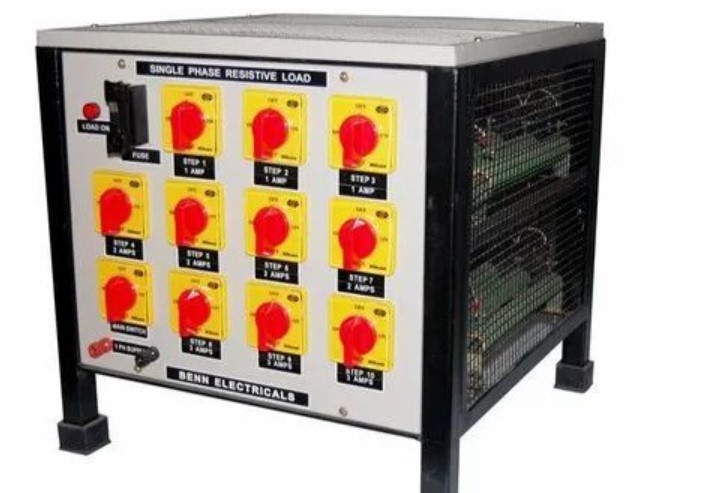
Training setups for exploring resistive loads in single and three-phase circuits. Students can observe voltage-current relationships, power measurement, and load effects.
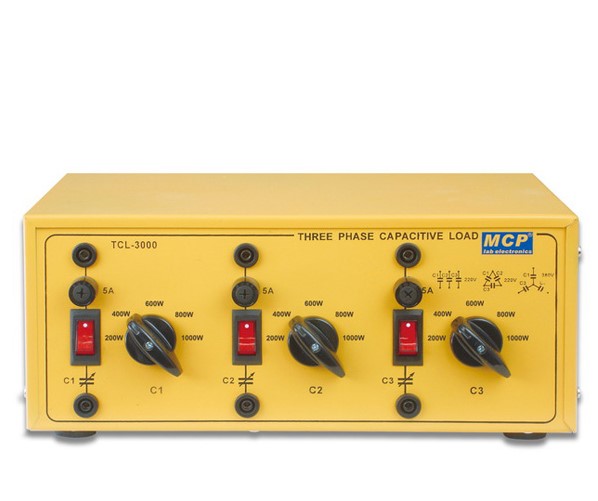
Trainers for capacitive load experiments, helping students understand current, voltage, and power factor behavior in electrical circuits.
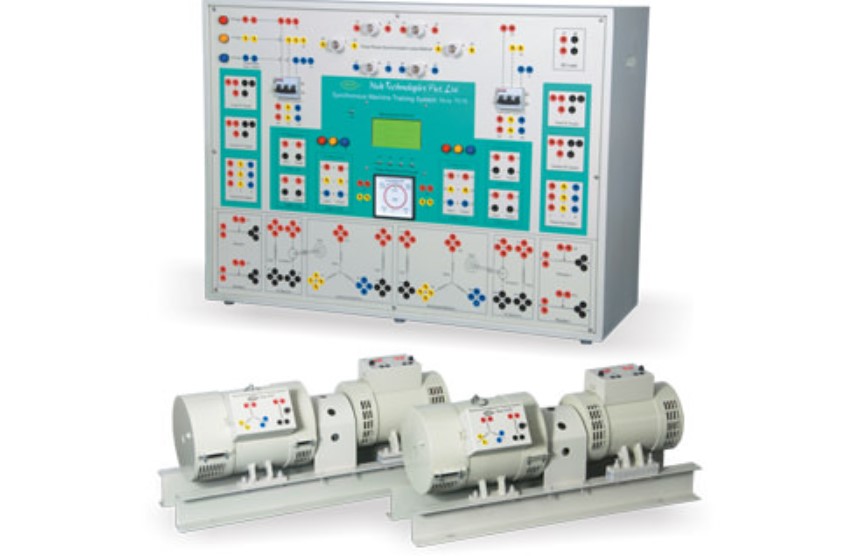
A comprehensive system for studying synchronous machines, including excitation, load characteristics, and industrial applications. Ideal for advanced electrical engineering labs.
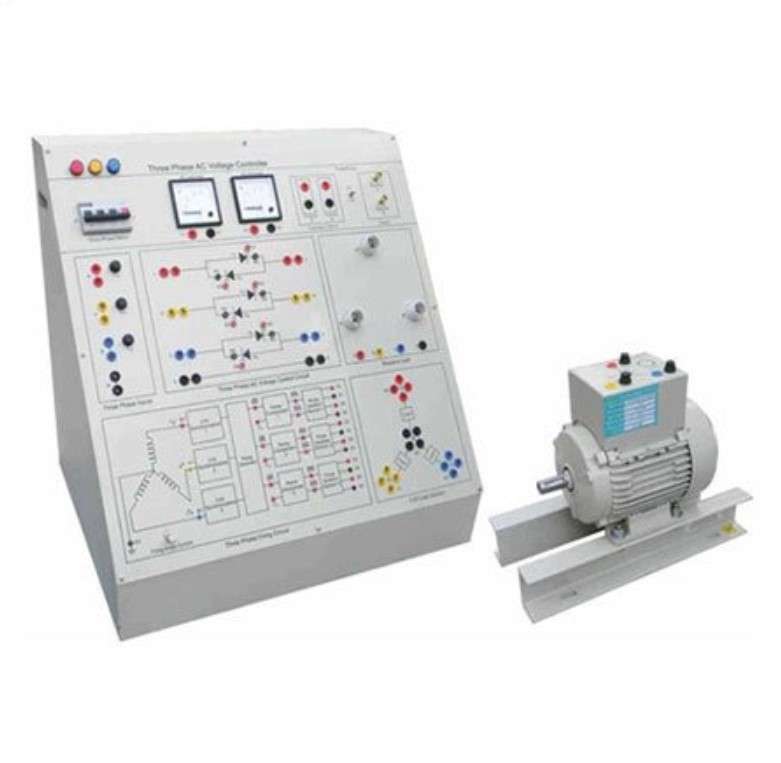
A trainer device used to control three-phase AC voltage, study motor speed regulation, and analyze load performance in electrical systems.
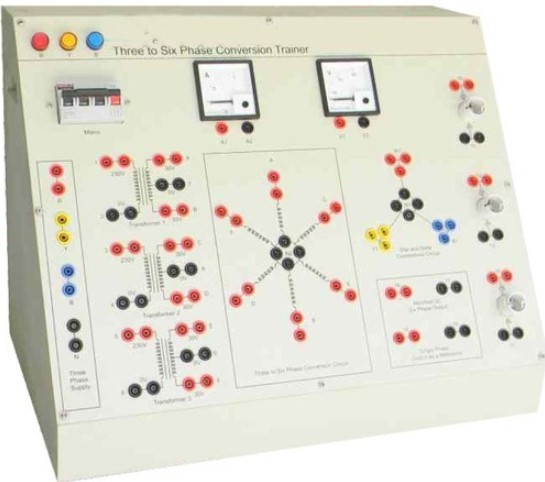
Educational kits demonstrating the conversion from three-phase to six-phase systems. Students learn about multi-phase electrical systems and their applications in industry.
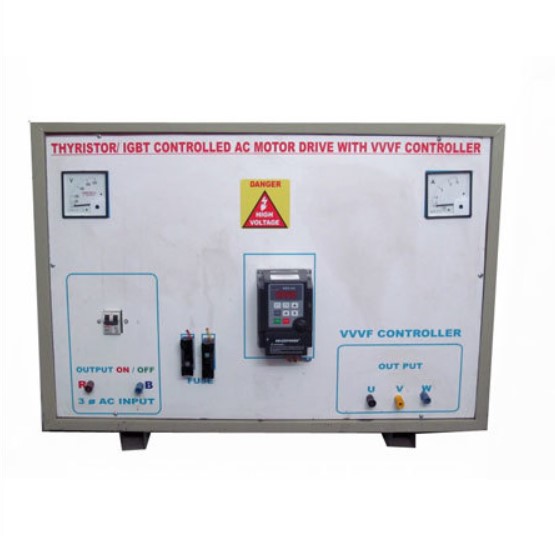
Advanced motor setups controlled with thyristors or IGBTs for electronic speed control. They demonstrate switching, efficiency, and modern motor control techniques in DC and AC motors.
A practical training module for learning how energy meters are calibrated. Students understand measurement accuracy, standards, and proper calibration techniques for residential and industrial energy meters.